Bracketologists (and Competent Agencies) Agree — Plugins Don’t Win Championships. Strategy Does.
It’s that magical time of year when brackets are busted, underdogs become legends, and someone in accounting wins the office pool with a coin flip strategy.
So naturally, we thought: what if website best practices worked like a March Madness bracket?
Welcome to the Digital Tournament of Champions — where Semantic Markup, SEO, ADA Compliance, Schema, UX, and the rest of the heavy hitters compete for the National Championship of Not-Embarrassing-Your-Brand Online™.
Let’s tip it off!
🏟 The Regions
🧱 Region 1: The Code Fundamentals
🥇 #1 Seed: Semantic Markup
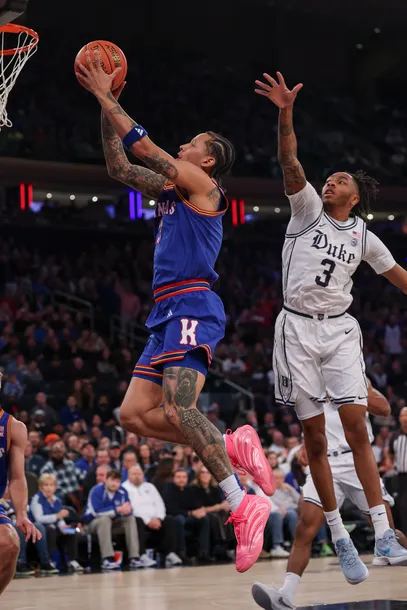
The perennial powerhouse. The Duke. The Kansas. The team that actually runs plays instead of streetball. Precise sets, no chaos, everyone in position. Semantic markup does not freelance.
Semantic HTML is the difference between:
<div class="big-thing">What is this?</div>
and
<article>What is this?</article>
One tells browsers and screen readers what something is. The other shrugs aggressively.
As the legendary Jeffrey Zeldman helped evangelize during the Web Standards movement: structure matters. Meaning matters. Clean markup wins championships.
Translation: If your site is 200 <div> tags in a trench coat, you’re running pickup ball at the Y.
🥈 #2 Seed: Accessibility (ADA / WCAG)
Defense. Discipline. No easy buckets. Accessibility isn’t glamorous. It’s structured containment. Accessibility is the veteran team with discipline and defense. The Indiana teams of Bobby Knight. It doesn’t dunk. It wins by 12.
ADA compliance isn’t just ethical — it’s practical. Nearly 1 in 4 U.S. adults live with a disability (CDC data). If your website excludes them, that’s not edgy — it’s expensive. Screen reader compatibility. Color contrast. Keyboard navigation. ARIA labels.
As Eric Meyer has long advocated: design must account for real human variability.
Stat: Accessible websites see up to 50% higher engagement from users relying on assistive tech.
Very Real Stat: Lawsuits for inaccessible websites have risen steadily year over year.
Cinderella story? Not quite. This team makes the Final Four annually.

🔍 Region 2: The Search Powerhouses
🥇 #1 Seed: SEO (Search Engine Optimization)
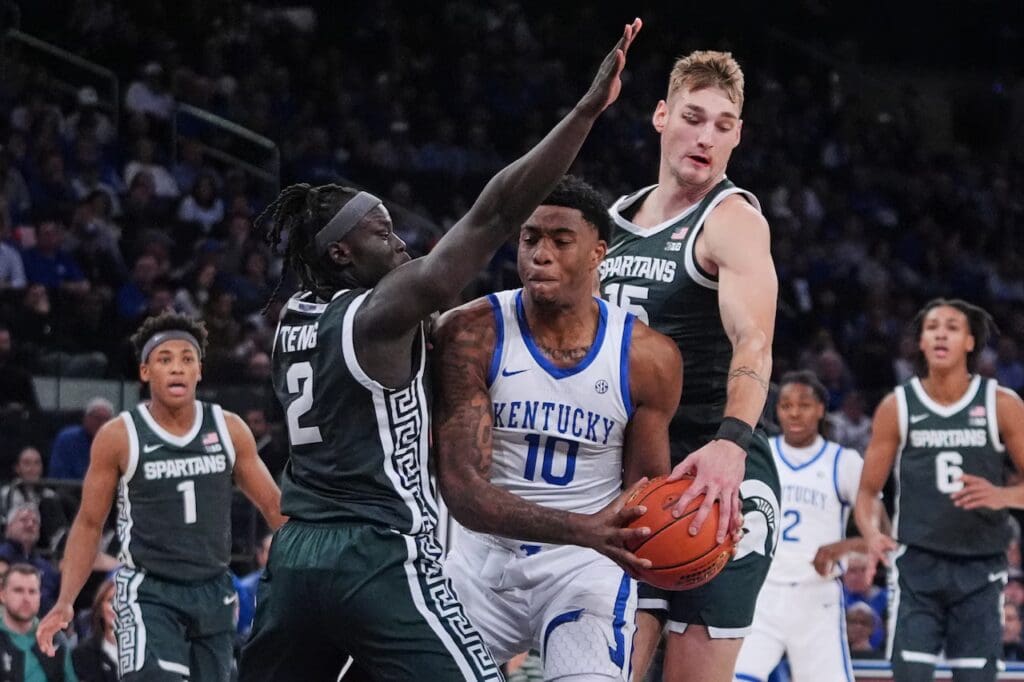
The blue-blood dynasty. Kentucky. Michigan State.
Technical SEO. Crawlability. Site speed. Internal linking. Structured content. Google still processes billions of searches per day. If your site isn’t structured properly, you’re basically playing without a shot clock.
Semantic HTML feeds SEO. Schema feeds SEO. Content feeds SEO.
Internal linking = ball movement.
Technical structure = conditioning.
Backlinks = recruiting pipeline.
Everyone says they “do SEO.” Not everyone has banners.
🥈 #2 Seed: Schema Markup
The advanced metrics darling. Schema is the underrated analytics nerd who quietly drops 28 points. Tyler Hansbrough — North Carolina Tar Heels: Not flashy. Not viral. Just relentless efficiency inside a structured system.
By implementing structured data (Organization, FAQ, Course, Product, LocalBusiness, etc.), you give search engines context instead of guessing. For higher ed and professional services? Schema is your NIL deal.
Schema is the assist you didn’t notice that led to the dunk. That’s structured data running the offense behind the scenes.
Stat: Pages with structured data are significantly more likely to earn rich results.

🥉 #3 Seed: AEO (Answer Engine Optimization)
The Steph Curry of website best practices — changed the geometry of the game. Pulled defenses out 30 feet.
Optimizing for AI overviews, voice search, featured snippets — this is modern bracket play. Clean structure. Concise answers. Proper heading hierarchy. If SEO is playing 5-on-5, AEO is playing in the metaverse.
AEO stretches your content beyond traditional rankings.
Clear answers.
Concise structure.
Question-based headings.
If SEO is working the paint, AEO is pulling up from the logo.
And yes — AI systems absolutely prefer:
- Clean semantic structure
- Clear Q&A formatting
- Fast-loading pages
- Authoritative sources
Structure wins again.

✍️ Region 3: Content & Authority
🥇 #1 Seed: Quality Content
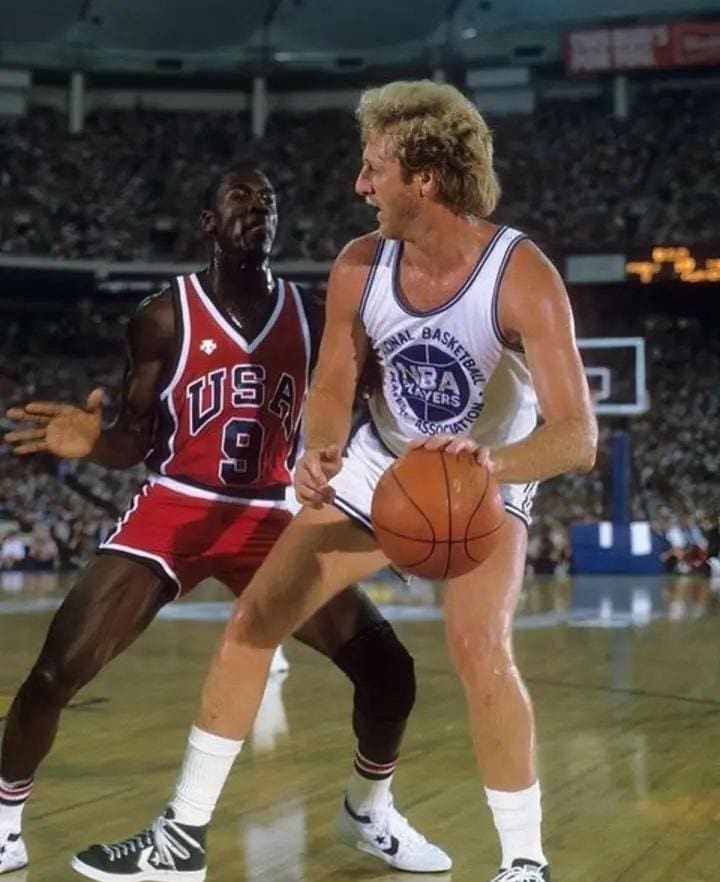
The generational superstar. Michael Jordan — relentless excellence. Larry Bird — fundamentals + swagger. Quality content doesn’t just show up. It takes over.
The #1 overall seed. You can have perfect markup and flawless schema, but if your content sounds like it was written by a caffeinated fax machine from 2003 ➟ first-round exit.
Strong content means:
- Clear value propositions
- Real expertise
- Specificity
- Human voice
- Search intent alignment
As Mike Davidson of Mike Industries championed during the golden era of web publishing: authenticity + clarity > gimmicks.
Stat: Long-form content (1,500+ words) earns more backlinks on average.
Agency Stat: 63% of higher ed sites still use phrases like “unlock your potential.”
Please. Stop unlocking things.
🥈 #2 Seed: E-E-A-T (Experience, Expertise, Authority, Trust)
The respected veteran leader. Christian Latner — not loud. Not flashy. Just multiple rings and universal respect. It’s the quiet handshake before tipoff that says, “We’ve been here before.”
Google cares who’s saying it.
- Author bios
- Real credentials
- Cited sources
- Transparent contact info
Higher education and licensed service providers? This is your home court advantage. Authority isn’t claimed. It’s demonstrated.

🎨 Region 4: UX & Performance
🥇 #1 Seed: User Experience (UX)
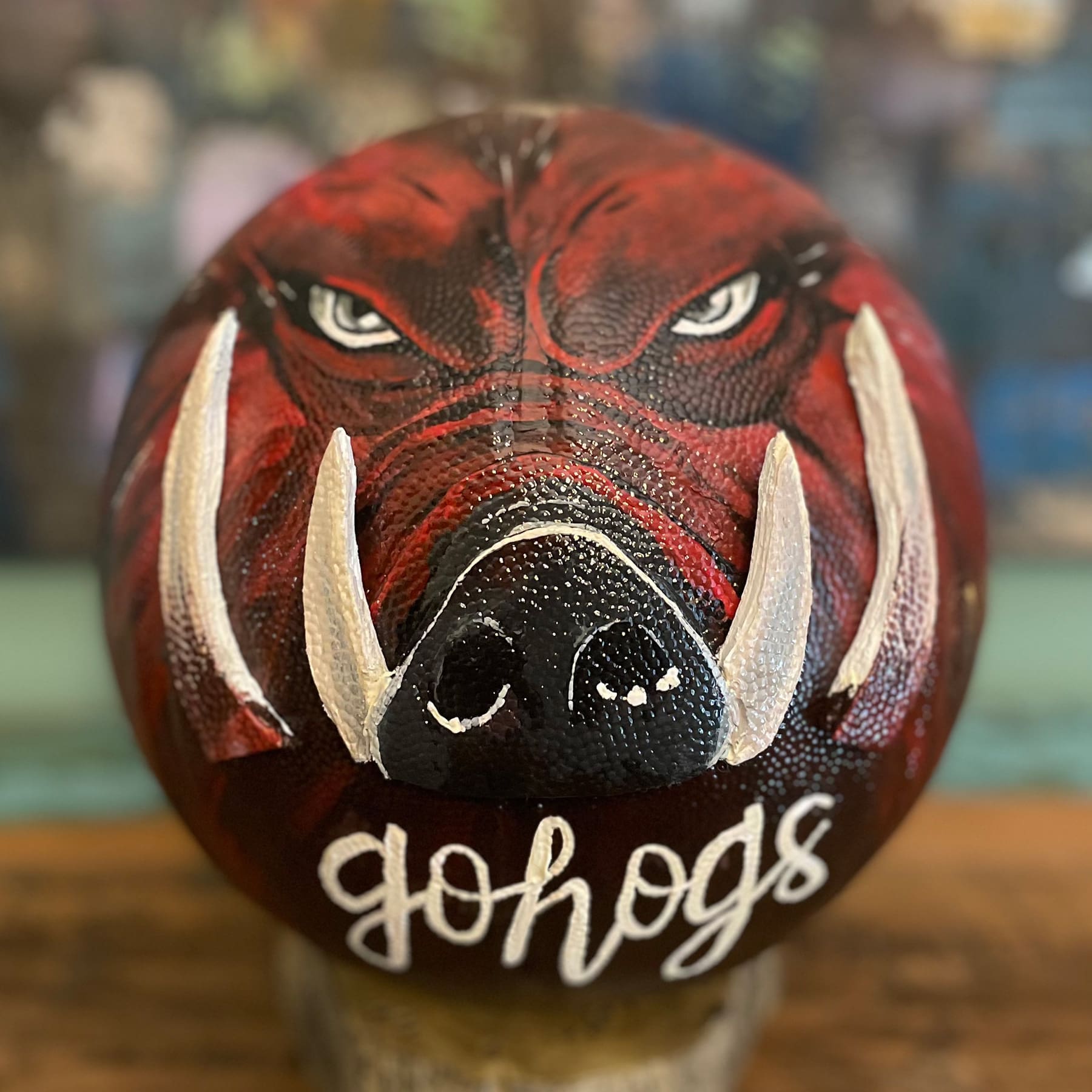
UX is the team that moves the ball beautifully, and controls the court from end to end. Arkansas Razorbacks under Nolan Richardson — “40 Minutes of Hell.” Relentless pressure on every weak assumption in your design.
- Clear navigation
- Logical hierarchy
- Strong calls to action
- Minimal friction
If users can’t find tuition, program info, or contact forms in under 3 clicks, they bounce faster than a 16-seed upset. UX isn’t decoration. It’s conversion engineering.
Stat: 88% of users are less likely to return after a bad experience.
🥈 #2 Seed: Page Speed
Transition offense. No mercy. Run-and-gun chaos — but controlled. UNLV Runnin Rebels under Jerry Tarkanian — pace, pressure, swagger.
Modern users expect fast-break performance. Every second of delay = turnover & reduces conversions. Higher ed prospects won’t wait for your hero video to autoplay with orchestral music. They’re comparing 12 schools. ➟ Performance is defense.
🥉 #3 Seed: Mobile Optimization
More than half of traffic is mobile. If your program page requires pinch-zoom gymnastics, you’ve already lost.
Responsive layouts. Large tap targets. Fast mobile load times.
Mobile traffic is over half your visitors. If your responsive design is clunky, you’re trying to run Tark’s offense in dress shoes.
Tap targets = spacing.
Responsive grids = court vision.
Readable typography = shot selection.
March Madness is watched on phones. Your site should win on them.

🏀 The Final Four
After weeks of grueling competition, here’s who makes it:
- Semantic Markup
- Accessibility
- Quality Content
- UX+Performance
And the National Champion?
🏆 Integration
Because here’s the thing: web best practices aren’t independent teams. They’re a system.
Semantic structure fuels SEO and AEO. ➟ Accessibility improves UX. ➟ Schema supports authority. ➟ Performance boosts conversion. ➟ Content drives everything.
When aligned, your website isn’t just the #16 seed who went .500 in the regular season, but went on a miraculous run in the conference tournament, to only participate in the national tournament. It dominates.
Want to stay up to date with the news and resources from EdwardsSchoen?
Sign up for our monthly newsletter to stay in the know!
🎯 Final Scoreboard for Higher Ed & Pro Services
If you’re a college, trade school, HVAC company, or professional services firm, your website should:
- Use semantic HTML5 elements
- Implement relevant schema
- Meet WCAG accessibility standards
- Load in under 3 seconds
- Provide authoritative, structured content
- Optimize for both SEO and AI-driven search
- Prioritize UX over vanity design
Because in digital marketing, there is no Cinderella. There is only:
- Structured vs messy
- Accessible vs risky
- Strategic vs decorative
- Converting vs invisible
And unlike your office bracket pool … this one actually affects revenue.
If you’re ready to get started, need someone to help you get where you need to be, or are just kicking the tires ➟ give EdwardsSchoen a call.
Let’s cut down the nets together!